

Preparing for an exam isn’t just a matter of hours spent over books: for many kids it’s a period loaded with expectations, fear of making mistakes, and exhaustion. Forparents, studyingmeans finding the right balance between presence and autonomy: being a safe base, without turning into controllers. In this article we look at how tohelp children with examswithpractical and sustainable academic support: from motivation to the study plan, all the way to digital tools likeStudierAIfor reviews, quizzes, and simulations.
Understanding needs and motivation: the starting point for helping your child
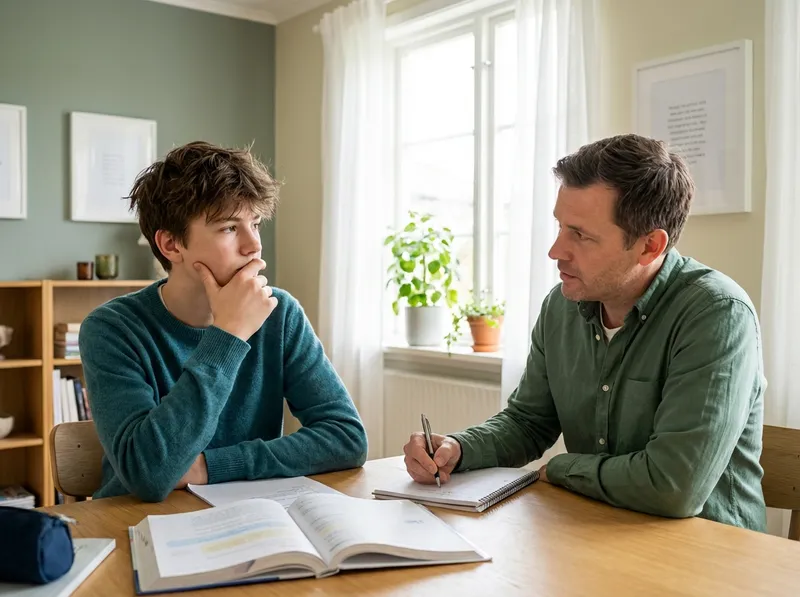
Before talking about method and schedule, you need to understand what your child is going through. Signs of stress can be subtle: irritability, procrastination, sudden perfectionism, headaches, or trouble sleeping. Demotivation, too, often disguises itself as “I don’t care,” when in reality there’s fear of not making it. Your role isWhen the syllabus is broad and time is short, having a tool that organizes and checks can make the difference.StudierAI
Simple questions work well—process-oriented, not grade-oriented. For example: “What’s the hardest thing about this subject?”, “From 1 to 10 how ready do you feel?”, “What would make you feel calmer tomorrow?”. Avoid instead phrases like “You just need to try harder” or comparisons with others: they increase pressure and reduce confidence.
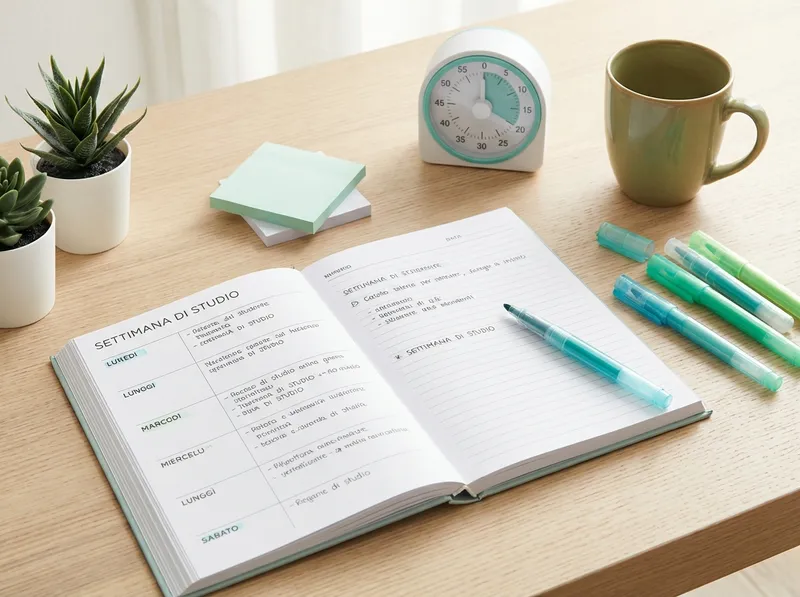
A key step is defining togetherAdaptive study plans: breaking down into micro-goals and spaced reviews based on the time available.: not “get a 9,” but “understand chapters 3–4 and be able to explain them,” or “do two full simulations by Friday.” Concrete goals reduce anxiety because they turn a huge task into manageable steps. And remember: supporting doesn’t mean removing every struggle, but making the struggle manageable.
Organizing a sustainable study plan (time, priorities, and breaks)
Exam simulations: practice with timing and questions similar to the real ones, to build confidence and manage anxiety.micro-goalsFor you, as a parent, the advantage is tangible: you can focus on routine, encouragement, and organization, while the tool helps your child build method and autonomy. If you want to try it, you can
and then evaluate the
- based on the needs of the period.
- In summary: to help your child prepare for exams you need listening, a sustainable plan, active study techniques, and attention to wellbeing. Your job isn’t to “guarantee” the result, but to create the conditions for them to do their best. With the right balance between presence and autonomy, studying becomes a calmer path and, often, a more effective one too.
- Build in “buffers” for the unexpected: a day scheduled at 100% is a day that falls apart at the first snag.
- Plan spaced reviews (spaced repetition): better 20 minutes for 5 days than 2 hours in one evening.
As a parent, you can help protect the time: cut down last-minute errands, agree on “no interruptions” moments, and do quick check-ins (“How did it go today? What are we moving?”). The goal isn’t to control, but tomake consistency easier.
Effective study techniques: how to guide them without doing it for them
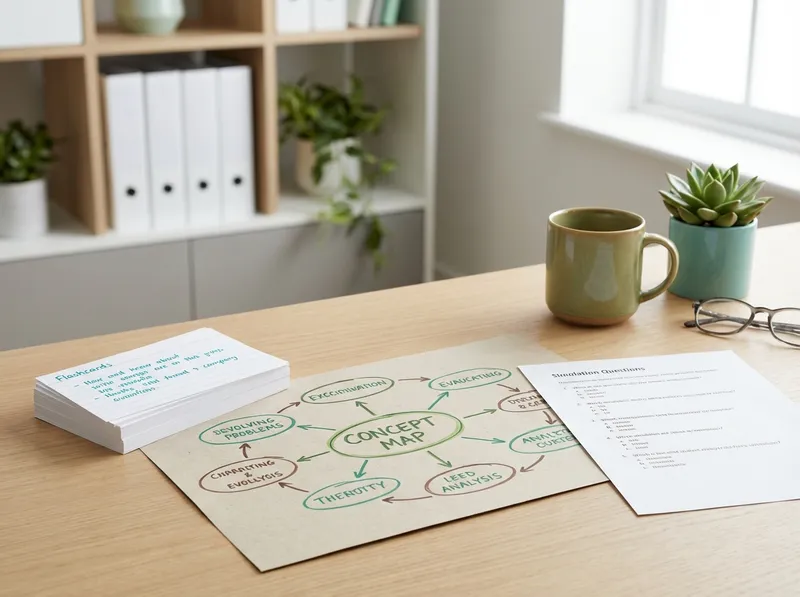
The most common risk, when we want to help, is “explaining too much” or stepping in for them. Instead, the most effective techniques are the ones that force the student to actively retrieve information. Some practical strategies you can suggest (and observe) are:
- Active recall: close the book and try to explain the concepts out loud, then reopen it to correct the gaps.
- Flashcards and questions: perfect for definitions, dates, formulas, and for truly checking memory.
- Concept maps: useful for connecting topics and seeing the structure, not for copying the book into a “graphic” form.
- Exam simulations: recreate timing and instructions, then correct with a simple rubric (what’s missing, what’s unclear, what’s ok).
- Feynman method: explain the topic “as if to a child,” in your own words; where the explanation gets stuck, that’s where you need to review.
How can you monitor progress without intruding? Choose a fixed time (10 minutes) every 2–3 days: your child shows you what they’ve done and what they’ll do next. You ask just one quality question: “What’s the most important next step?”. This keeps responsibility on them, but gives them aframeworkthat reduces chaos.
Environment, routine, and wellbeing: reducing anxiety and distractions before exams
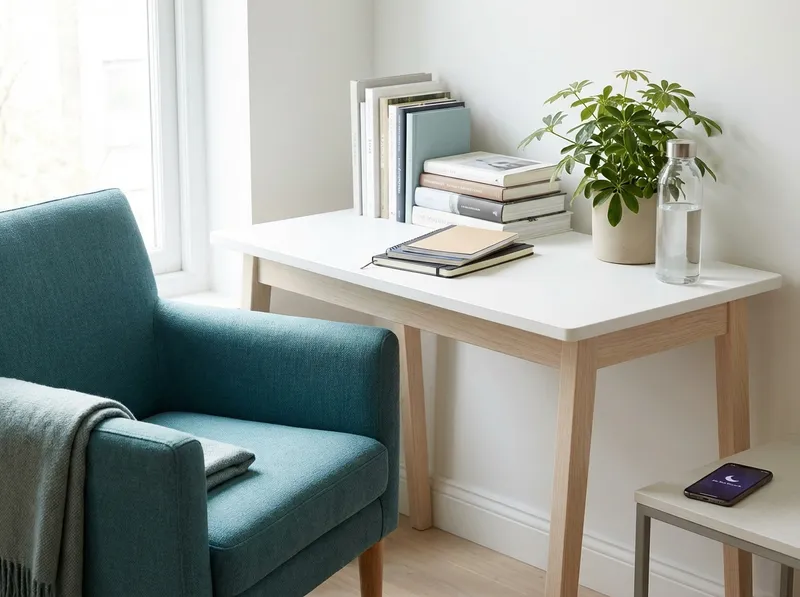
The environment matters more than it seems. A stable corner, with materials already ready, reduces mental friction: fewer decisions, more action. You don’t need the perfect room, but a few choices help a lot: adequate light, a comfortable chair, a desk free of “temptation” objects.
The smartphone issue is delicate: banning it often creates conflict, but leaving everything as-is increases distractions. Better a clear agreement: phone off the desk during study blocks, notifications off, and checking messages only during breaks. If your child agrees, you can use “focus” mode or a simple timer: the rule isprotect attention, not punish.
Wellbeing also means sleep and nutrition: in exam weeks, review works better if the brain recovers. Help your child keep regular hours (even on weekends), have a simple breakfast, and drink water. If performance anxiety emerges, suggest concrete tools: slow breathing for 2 minutes, a short walk, or a “worry list” to write down and close in a drawer. Small repeated rituals createstabilitywhen everything feels urgent.
How StudierAI can help: personalized support for review and preparation
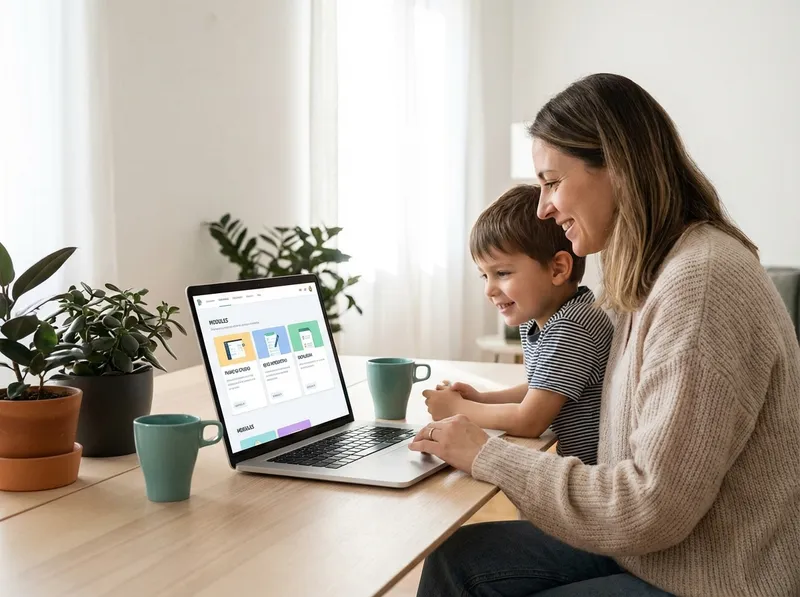
When the syllabus is broad and time is short, having a tool that organizes and checks can make the difference.StudierAIcan support your child with a personalized approach: it helps turn generic goals into daily activities, create review materials, and measure progress without you having to “quiz” them every evening.
In practice, it can support preparation with:
- Adaptive study plans: breaking down into micro-goals and spaced reviews based on the time available.
- Summaries and outlines: to clarify concepts and speed up review, keeping language appropriate to the student’s level.
- Quizzes and flashcards: immediate checking, useful for moving from reading to active memory.
- Exam simulations: practice with timing and questions similar to the real ones, to build confidence and manage anxiety.
For you, as a parent, the advantage is tangible: you can focus on routine, encouragement, and organization, while the tool helps your child build method and autonomy. If you want to try it, you canstart for freeand then evaluate theplans and pricingbased on the needs of the period.
In summary: to help your child prepare for exams you need listening, a sustainable plan, active study techniques, and attention to wellbeing. Your job isn’t to “guarantee” the result, but to create the conditions for them to do their best. With the right balance between presence and autonomy, studying becomes a calmer path and, often, a more effective one too.