

As exams approach, many parents wonder how to be truly helpful without turning into “inspectors” or increasing the pressure. The truth is that the most effective contribution comes from a balance: steady presence, practical guidance, and respect for autonomy. In this article you’ll find concrete school-support strategies to organize studying, choose a method that works, and manage anxiety and distractions. The goal isn’t to study in your child’s place, but to create the conditions so they can do it with more confidence and consistency.
Understanding needs and motivation: start by listening

The first step to helping your child with exams is understanding what’s really going on: difficulties with the material, performance anxiety, lack of a method, or unclear goals. In the parent–study relationship, listening is worth more than any rushed “advice.” Try to set aside 15 minutes at a neutral time (not right after a bad grade) and ask simple questions, without judgment.
Some useful prompts:
- “What’s the hardest part of this subject: understanding, remembering, or organizing?”
- “What grade/result would make you feel satisfied, and why?”
- “When you study, what helps you most: reading, explaining out loud, doing exercises, or making outlines?”
From there you can identify their learning style and set up effective support. The key point is to avoid excessive pressure: replace “you have to study more” with“let’s build a plan together that makes you feel in control”. When your child feels the goal is to help them choose, not to endure, motivation grows more easily.
Creating a realistic (and sustainable) study plan
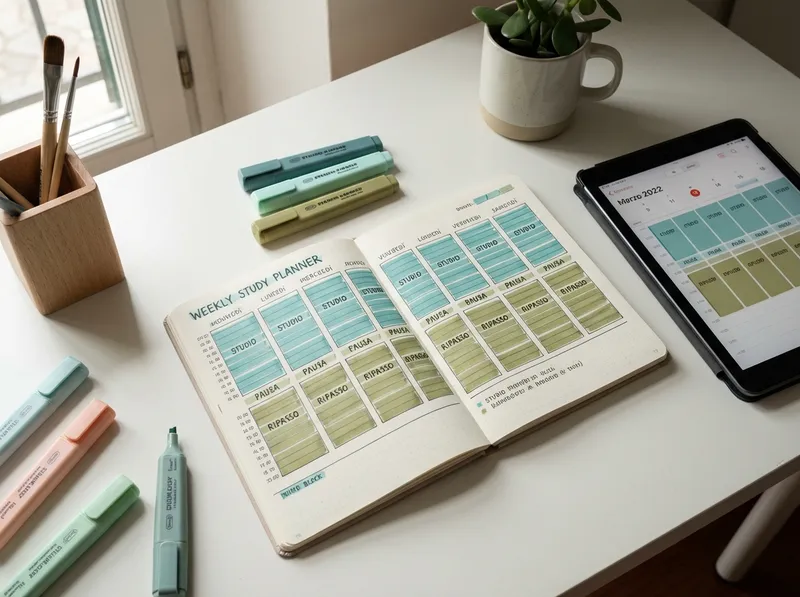
An effective plan isn’t the “perfect” one, but the one your child can follow even on off days. To build it, start from three pieces of information: exam/test dates, the amount of material, and the real time available (sports, sleep, commuting). Then turn it into a simple calendar, ideally visible (paper or digital).
Practical rules that almost always work:
- Break studying intomicro-goals(e.g., “chapter 3: 20 questions + 10 exercises,” not “math”).
- Schedule breaks: 50/10 or 25/5, and one longer break every 2–3 blocks.
- Alternate “heavy” and “light” subjects to maintain energy and attention.
- Plan reviews: at least 2 passes (one halfway through and one 24–48 hours before).
To reduce procrastination, help your child define an “easy start”: 5 minutes to open the book, highlight the headings, and write 3 questions. Often the obstacle is starting, not continuing. As a parent, your role can be to make organization easier (calendar, priorities, materials ready) and do a brief check-in at the end of the day:“What did you complete? What do we move without blame?”.
Study method: practical techniques that really work
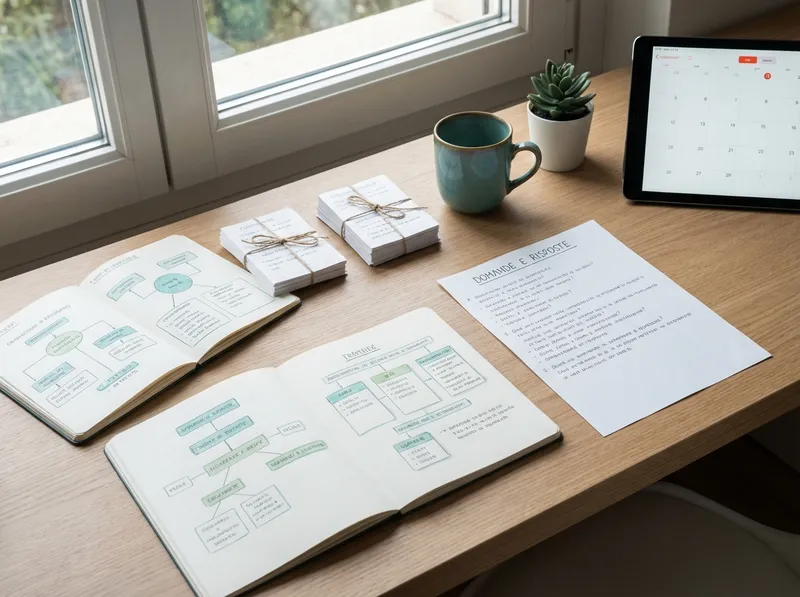
Many teens study “for a long time” but not “effectively”: they reread and highlight, but then on a test they don’t remember or can’t apply it. Here, parents’ school support can make a difference by suggesting simple tools, without imposing them. The idea is to experiment for 3–4 days and keep what works.
High-yield techniques:
- Active recall: after studying a paragraph, close the book and try to answer questions.Actively rememberingis more powerful than rereading.
- Spaced repetition: reviews spread out over time (today, in 2 days, in 1 week) instead of “marathons” the night before.
- Mind maps and outlines: useful for connecting concepts, but only after you’ve understood them. A map doesn’t have to be “pretty”: it has to be clear.
- Exam simulations: timed exercises, mock oral exams, essays with an outline. It helps manage pace and anxiety.
As a parent, you can support without intruding in three ways: (1) help turn a chapter into 10–15 questions, (2) ask them to explain a concept to you “as if I were a classmate,” (3) suggest a 10-minute mini-simulation. If your child gets stuck, avoid “rescuing” them right away: a guiding question is better.The goal is to build autonomy, not dependence on help.
Managing anxiety, energy, and environment: the “surroundings” that make the difference

Often performance doesn’t depend only on “how much” you study, but on how you’re doing. Anxiety, fatigue, conflict, and distractions can sabotage even the best plan. Here the parents’ role is to create a supportive context and reduce unnecessary friction.
Practical, non-confrontational guidance:
- Anxiety: normalize it (“it’s understandable”) and shift the focus to small actions.4–6 breathing for 2 minutesbefore starting can help.
- Sleep: protect regular hours; the last hour before bed should be “light” (a brief review or relaxation).
- Nutrition and hydration: simple, consistent snacks (fruit, yogurt, nuts) and water within reach.
- Phone: agree on rules beforehand, not during a fight. For example: airplane mode for 25 minutes + 5 minutes free, or the phone in another room.
On the environment: an uncluttered desk, adequate light, materials ready, and reduced noise. If that isn’t possible at home, consider the library or a “fixed” corner. And above all: avoid turning every moment into a check. A message like“I’m here if you need me”often works better than ten reminders.
How StudierAI can help your child prepare for exams
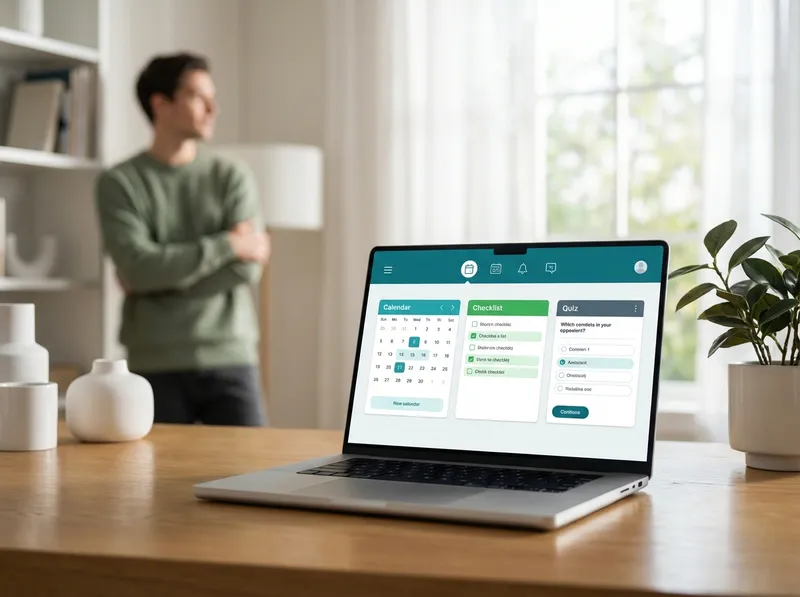
If you want to provide concrete support without having to “invent” outlines, questions, and calendars every time, well-designed digital tools can lighten the mental load.StudierAIcan be an ally because it helps turn goals into daily actions, while keeping the parent in the right role: facilitator, not substitute.
In practice, your child can use the platform to:plan their studyingwith a simple calendar, create quizzes and active-recall-style questions, get summaries and outlines to find their bearings, and track progress visually. This reduces the initial friction (“where do I start?”) and makes it easier to stick to reviews. If you want to try it, you canstart for freeand evaluate together with your child whether it truly helps in their routine.
From the parents’ point of view, the advantage is being able to do smarter check-ins: not “did you study?”, but “where are you in the plan, what’s missing, and what needs to be replanned?”. It’s a calmer way to handle the parent–study dynamic, because it shifts the conversation to data and micro-goals, not scolding. And if you then want to explore the available options, you’ll find details onplans and pricing.
In conclusion, helping your child with exams means combining listening, organization, and method, without forgetting the “surroundings” of energy and calm. Effective school support isn’t measured by how many hours you sit next to your child, but by how much you help them become autonomous. If you want a practical starting point, you can alsosign up for freeand build the first sustainable study plan together.