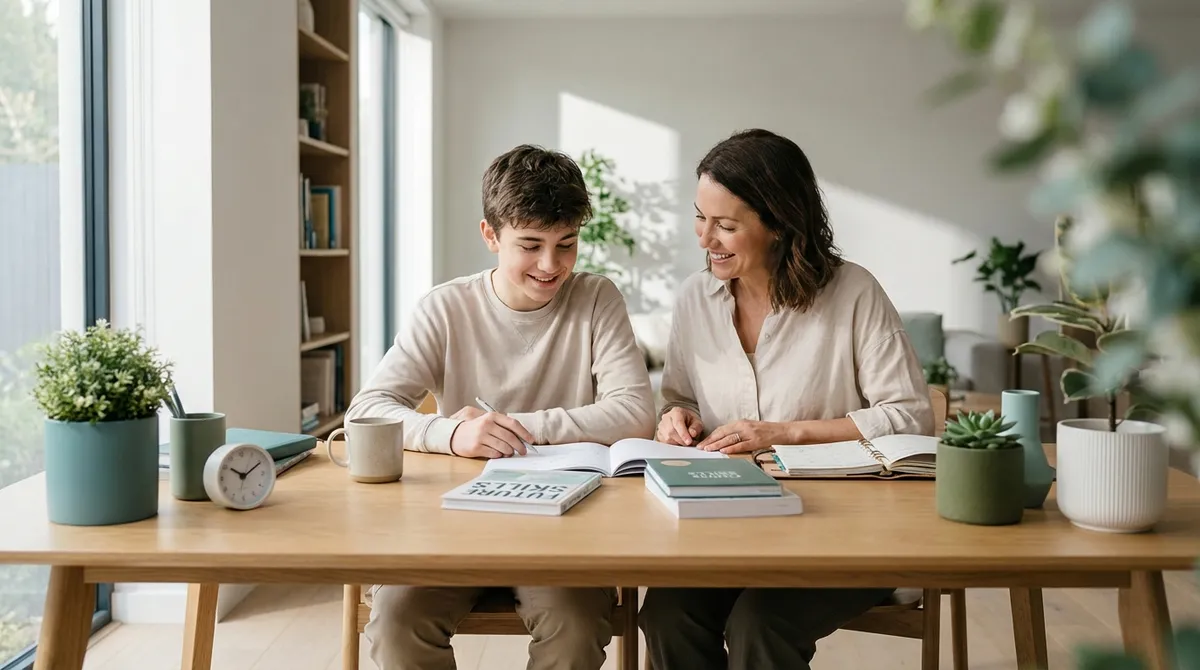

reduce uncertainty(simulations and checklists), and train attention on the process (“Today I’ll do 20 minutes of targeted exercises”) rather than on the grade. If there’s procrastination, avoid long lectures: often a mutually agreed “minimum start” helps, like 10 minutes. Once they’ve started, inertia works in your favor.who want toIn the two days before the exam, focus on consolidation and sleep: better to review the most “fragile” topics, do short quizzes, and wrap up early in the evening. The underlying message a parent can convey is:“Trust the work you’re doing”. Trust is a motivation multiplier.balanced and sustainable.
Understanding your child’s needs (without increasing the pressure)

StudierAI
Watch for a few indicators: irritability, insomnia, recurring stomachaches, avoidance (always putting it off), or hyper-control (studying for hours without breaks but “nothing goes in”). Instead of closed questions like “Have you studied?”, try questions that invite them to share:In practice, it can help your child: set realistic daily goals, practice with targeted questions, get immediate feedback on mistakes, and track progress over time. If you want to try it without complications, you canstart for freeand see together with your child how to integrate the tool into their routine, without weighing it down., “If we could change one thing about the study week, what would help you the most?”.
plans and pricing
Creating an effective study routine: time, environment, and goals
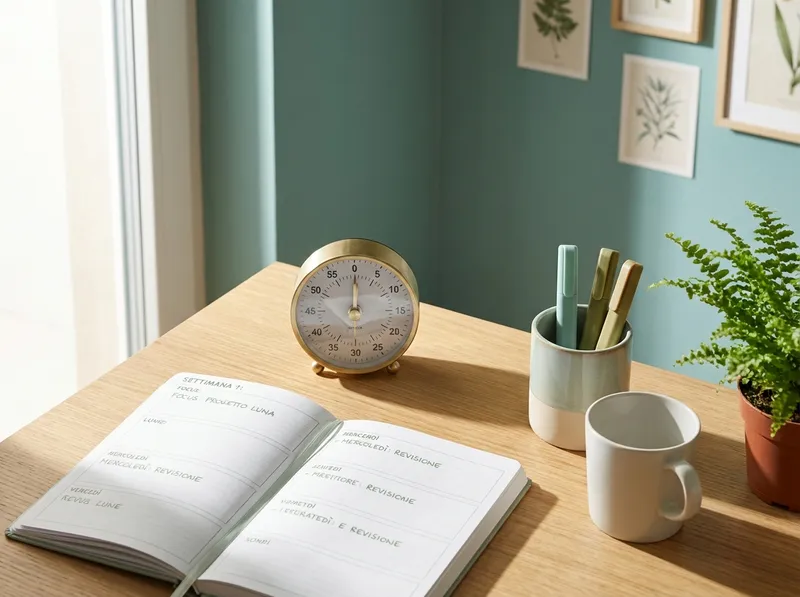
A routine works when it’s realistic. Better 60–90 minutes of focused study a day for several days than exhausting weekend marathons. As a parent, you can help turn “I have to study everything” into a plan with measurable micro-goals.
- Set a fixed time together (even a short one) and protect it from distractions.
- Choose 2–3 priorities a day: one “heavy” subject, one “medium,” one brief review.
- Use scheduled breaks: 25/5 or 45/10, with movement and water.
- End the session with a mini-check: “What did I understand? What still needs clarifying?”
The environment matters too: a consistent spot, adequate light, phone far away or in focus mode, and materials ready before starting. If your child studies in their room, agree on simple rules (for example: notifications off, instrumental music only, clear desk). The implicit message is powerful:“Studying is important and deserves space”, without turning into a battleground.
Study techniques that work: how to guide without taking over
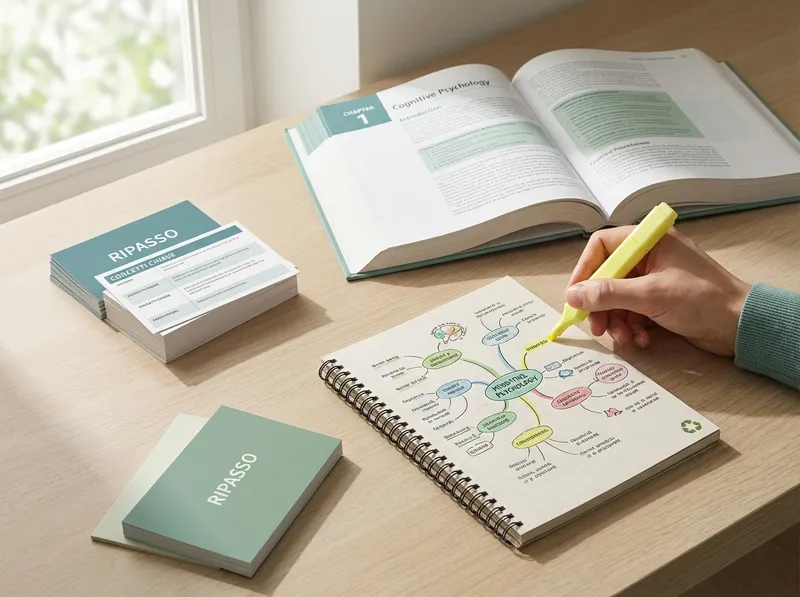
Many kids “study” by rereading and highlighting, but then in a test they don’t remember. Helping them means steering them toward active strategies, while staying in the facilitator role. You don’t have to be the teacher: you can be the person who asks the right questions and creates light feedback.
Useful techniques (and easy to support at home):
- Active recall: after a page, close the book and explain out loud what they understood.
- Mind maps and outlines: turn a chapter into 6–10 keywords and connections.
- Simulations: do exercises “like in the test” with realistic timing and instructions.
- Error management: analyze where they went wrong and why, without judgment.
Your support can be a 5-minute “gentle check”: ask them to summarize, give an example, or explain a concept as if they were teaching it to you. If they get stuck, avoid jumping in immediately with the solution: try hints first (“Which definition do we start from?”). This strengthensautonomyand a sense of competence.
Managing exam anxiety and motivation: emotional support and trust

A bit of anxiety is normal: it signals that we care. It becomes a problem when it blocks studying or leads to catastrophic thoughts (“It’s going to go terribly”). Here your role is to help your child put anxiety into a manageable frame and keep their energy up in the days before the exam.
Practical tools that often work:normalize(“It’s normal to feel tense”),reduce uncertainty(simulations and checklists), and train attention on the process (“Today I’ll do 20 minutes of targeted exercises”) rather than on the grade. If there’s procrastination, avoid long lectures: often a mutually agreed “minimum start” helps, like 10 minutes. Once they’ve started, inertia works in your favor.
In the two days before the exam, focus on consolidation and sleep: better to review the most “fragile” topics, do short quizzes, and wrap up early in the evening. The underlying message a parent can convey is:“Trust the work you’re doing”. Trust is a motivation multiplier.
How StudierAI can help: personalized study and immediate feedback

When time is short and topics are many, a guided tool can make the difference.StudierAIsupports preparation with a structured approach: tailored study plans, quizzes to truly check learning, and explanations that help clear up doubts quickly. For parents, it means being able to offer calmer support: less “policing,” more tools and clarity on what to do today.
In practice, it can help your child: set realistic daily goals, practice with targeted questions, get immediate feedback on mistakes, and track progress over time. If you want to try it without complications, you canstart for freeand see together with your child how to integrate the tool into their routine, without weighing it down.
If instead you’re considering the option best suited to your needs, take a look atplans and pricing. The goal remains the same: make studying more effective and less stressful, valuing the student’s autonomy and family peace of mind.
In summary: listening first and foremost, a simple but consistent routine, active techniques, and emotional support that strengthens trust. That’s how parents can truly help their children with exams: not by removing every difficulty, but by teaching them to manage it with method and calm.
