
School is undergoing a real transformation: it’s not just about “putting digital” into the lesson, but rethinking time, tools, and approaches to support learning, inclusion, and skills. In this article you’ll find an operational overview ofdigital teaching,teacher toolsand best practices ineducational technology, with ready-to-use examples you can bring straight into the classroom.
Why digital teaching is (really) changing school
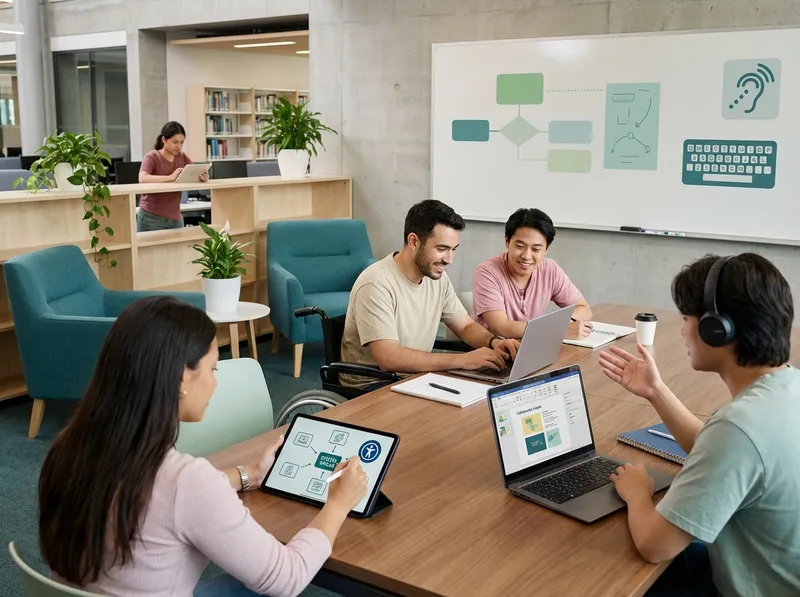
The change isn’t driven by trends, but by real needs. Students learn in increasingly multi-channel ways and require experiences that alternate explanation, practice, feedback, and revision. Moreover, 21st-century skills (critical thinking, collaboration, communication, digital citizenship) are trained better when the class has environments that make processes and products visible: shared documents, portfolios, revision trails, rubrics, and learning data.
Another driver isinclusion: text-to-speech tools, concept maps, subtitles, multimodal instructions, and flexible timing help students with SEN/SLD and, more broadly, improve accessibility for everyone.personalizationbecomes feasible when we can differentiate materials and pathways without multiplying the workload: for example with tiered tasks, targeted feedback, and automatic catch-up activities.
That said, educational technology is not a magic wand. The most common limits are: uneven access to devices, connections that aren’t always reliable, platform overload, and the risk of “doing digital” without a clear instructional intention. The key is to choose a few stable tools, build routines (access, submission, feedback), and keep methodological control: technology must enhance teaching, not replace it.
Essential platforms and tools to organize lessons, materials, and communication
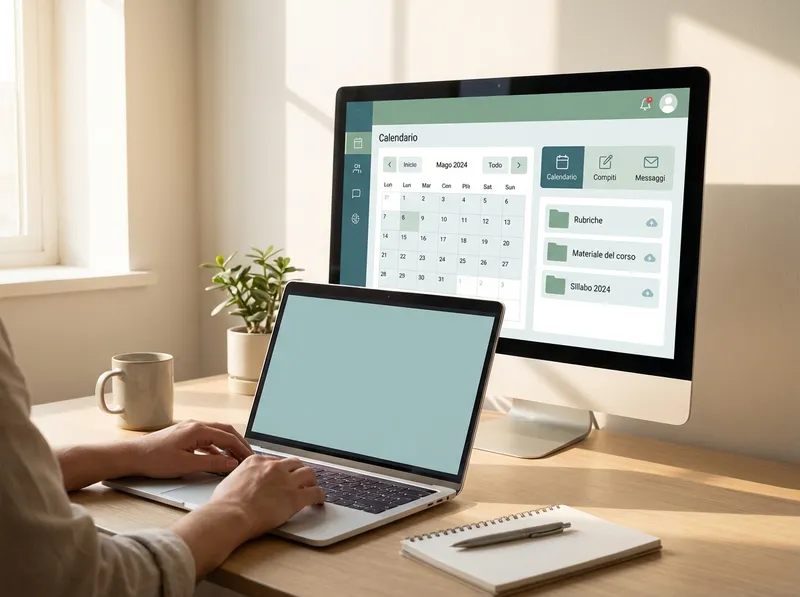
For day-to-day management, an LMS (or a classroom platform) is the class’s “center of gravity”: a repository for materials, assignments, grading, communication, and tracking. Alongside it are cloud-based collaborative suites for co-writing and presentations, digital boards for brainstorming and collecting evidence, and tools for video lessons or recorded micro-lessons.
Practical use cases that work in almost every subject:
- Assignments with clear instructions and criteria: attach a rubric, specify timing and format (text, audio, slides, video).
- Fast, trackable feedback: comments in the document, voice notes, checklists; better little but timely.
- Co-writing and revisions: group work on shared documents with version history for accountability and process assessment.
- Classroom management: topic channels (announcements, assignments, catch-up), a shared calendar, and “always available” materials for instructional continuity.
A simple criterion for choosing teacher tools: prioritize what reduces steps and duplication. If the LMS manages assignments and grading, avoid scattering tasks across chats or email. If you use a digital board, define a routine: 10 minutes to collect ideas, 10 to synthesize, 5 to share back. Organizational sustainability is part of instructional quality.
Real-time assessment and feedback: quizzes, polls, and digital rubrics

Digital works best when it makes feedback faster and learning more visible. With live quizzes, polls, and end-of-lesson “exit tickets” you can catch misunderstandings immediately, before they turn into gaps. This is formative assessment: it’s not about “giving grades,” but about guiding the next day’s teaching.
To reduce the marking load, alternate auto-graded tests (multiple choice, true/false, matching) with shorter but well-criteria-based authentic tasks.digital rubricshelp both in summative assessment and in transparency: the student understands what matters (content, method, language, originality) and can self-assess.
An effective practice is the 3-step cycle: 1) micro-check (5 minutes) with a quiz or form; 2) quick analysis of results (which items have the most errors?); 3) targeted intervention (mini-lesson, guided exercise, ability groups). In this way educational technology supports instructional decisions, not just “produces data.”
Content creation and active methodologies: video, interactivity, and gamification
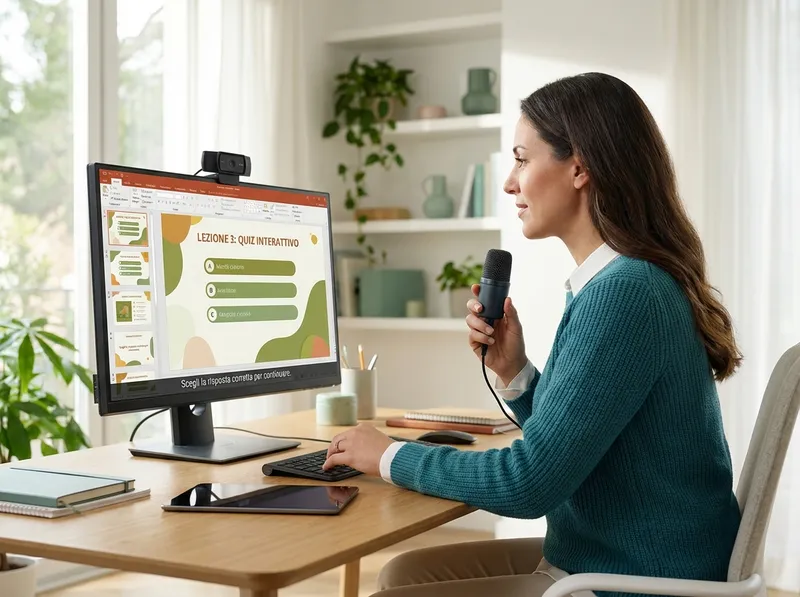
Creating content doesn’t mean producing hours of video. Often short, reusable resources are enough: a 3–6 minute explanation, an interactive presentation with embedded questions, a simulation, or a virtual lab. The goal is to free up class time for high-value activities: discussion, guided practice, problem solving, producing work.
In theflipped classroom, for example, you assign a short piece of content (video or guided reading) and use the lesson to apply it: station work, real-world tasks, peer tutoring. Withlearning by doing, students produce: concept maps, podcasts, reports, digital prototypes.gamificationworks when it rewards progress (missions, levels, badges) and not just speed: useful for motivation and continuity, especially in catch-up work.
Three practical points make the difference:timing(short content and repeatable routines),accessibility(readable fonts, subtitles, text alternatives, clear instructions) andinclusion(multiple output options: text, audio, slides; authorized compensatory tools). This way digital teaching becomes a stable ally, not an exhausting add-on.
How StudierAI can support teachers: planning, differentiation, and ready-made materials

In this scenario, an assistant likeStudierAIcan become concrete support to speed up preparation while keeping teacher control. The idea isn’t to delegate teaching, but to get well-structured drafts to refine: objectives, prerequisites, activities, assessments, and criteria. If you want to try it, you canstart for freeand see for yourself how much time it saves you in planning.
Here are some typical uses for teachers, useful in everyday digital teaching:
- Draft teaching units: lesson sequences with activities, timing, materials, and authentic tasks.
- Differentiated activities: three difficulty levels, alternative instructions, and supports (examples, outlines, glossaries).
- Tests and grids: questions aligned with objectives, assessment criteria, and rubrics ready to adapt.
- SEN/SLD adaptations: simplifications, concept maps, tests with accessible timing and formats, while keeping the same core concepts.
To get quality results, it helps to set prompts with context (class, level, objectives, constraints, available tools) and then refine with your experience: examples, subject-specific vocabulary, references to the textbook or activities already done. Always keep an eye onprivacyand data management: avoid entering sensitive student information and check that materials and assessments align with your curriculum. If you’re interested in understanding the available options, check theplans and pricingand choose the solution best suited to your workload.
Modern teaching doesn’t require “everything, all at once”: it requires sustainable choices, coherent teacher tools, and planning that puts learning at the center. If you want to try an operational support to prepare materials and differentiate faster, you can alsosign up for freeand start with a single unit: small steps, measurable results, continuous improvement.