

In 2026, talking about academic performance also means talking about sleep. Not as a generic “good habit,” but as a concrete lever for memory, emotional stability, and stress management. Tools likeStudierAI(discoverwho we are) are bringingartificial intelligenceto supportstudy optimizationand well-being, also including an emerging topic:genetic sleep. The goal isn’t to “hack” kids, but to help them sleep better in a realistic and sustainable way, with a positive impact onstudent healthand family peace of mind.
Why sleep is now the “hidden factor” behind academic performance (and stress)
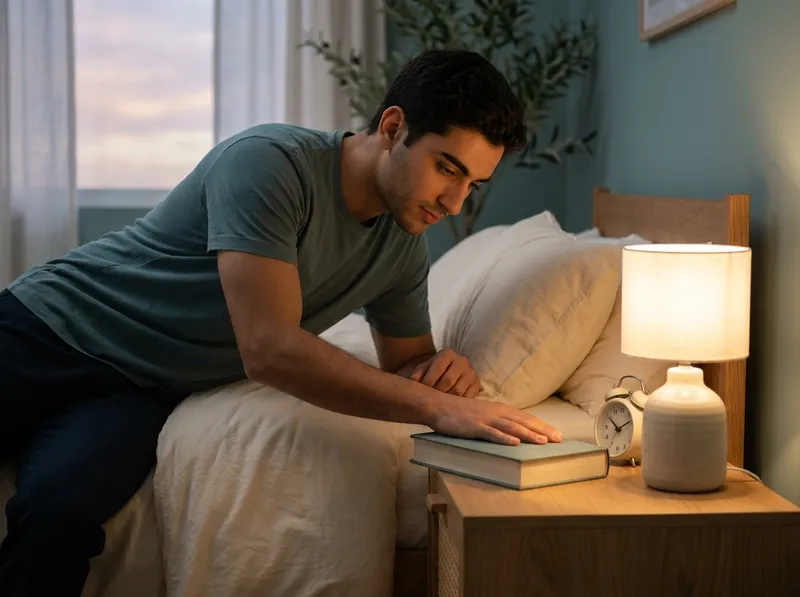
Many parents observe the same pattern: study hours increase, but results are inconsistent and irritability keeps rising. Often the problem isn’t “how much” they study, buthow they sleep. Insufficient or irregular sleep reduces the ability to consolidate what has been learned (memory), makes it harder to maintain attention, and amplifies emotional reactivity: small setbacks become big obstacles, and performance anxiety finds fertile ground.
In adolescence and the first years of university, social and digital pressure also adds to intense academic workloads. The result is a vicious cycle: going to bed late, catching up on the weekend, throwing off the rhythm, and then Monday brings the struggle all over again. Treating sleep as astrategic prioritydoesn’t mean being rigid: it means creating conditions in which studying and recovery support each other.
What “genetic sleep” is: chronotype, caffeine sensitivity, and recovery
By “genetic sleep” we mean the set of biological predispositions that influencewhenwe tend to fall asleep and wake up,how muchwe recover, and how we react to stimuli like light and caffeine. It’s not a written destiny: it’s a baseline on which to build habits better suited to the individual student.
Three concepts, explained simply:
- Chronotype: some kids are naturally more “larks,” others more “owls.” Always forcing intense studying at the wrong hours can increase fatigue and procrastination.
- Caffeine sensitivity: the same drink can “wear off” in an hour for someone and disrupt sleep for someone else. During test periods, this makes a difference.
- Recovery and response to light: evening light (especially from screens) can delay falling asleep; some are more vulnerable and benefit from more “protective” routines.
For parents, the point isn’t chasing the “perfect gene,” but understanding that two students with the same school schedule can have different needs. This reduces conflict (“you’re lazy”) and opens the door to practical solutions (“let’s try moving review to a more favorable time”).
AI + genetics: how sleep advice personalization works (without miracle promises)
The idea of combining daily data and genetic information may sound futuristic, but the logic is concrete: turning scattered signals into simple recommendations. A system based onartificial intelligencecan work through four steps:
- Data collection: sleep/wake times, perceived quality, study load, physical activity, evening screen use, any caffeine.
- Integration with genetic information (if available and consented to): indications on chronotype, caffeine sensitivity, predisposition to more fragile or more stable rhythms.
- Recommendation generation: small, high-impact changes (e.g., gradually moving bedtime earlier, consistent study windows, caffeine rules).
- Monitoring: checking what truly works for that student, because stress, growth, sports, and exams change needs over time.
It’s important to be clear: there are no algorithms that “guarantee” high grades or perfect sleep. Genetics explains part of the variability, but habits, environment, and mental and physical health also matter. A serious approach avoids shortcuts and focuses onmeasurable and realistic goals: reducing awakenings, stabilizing schedules, improving morning energy and concentration during key hours.
How StudierAI can help: tailored sleep and study plans for high school and university students
In practical terms, StudierAI can be useful when a student needs structure without feeling “controlled.” The idea is to alignstudy optimizationand sleep, choosing a few clear rules. For example:
- “Smart” study times: placing the most demanding subjects in the windows of peak alertness (different for each person), leaving more mechanical tasks for the end of the day.
- Stable sleep windows: not extreme weekend “catch-up,” but small adjustments to reduce social jet lag and improve Monday energy.
- Screen and light management: evening routines with a gradual “landing” (e.g., 30–60 minutes of decompression), especially for those who easily fall asleep late.
- Caffeine with personalized rules: cutoff time and amount, taking into account individual sensitivity and days with oral exams.
For parents, the added value is the language: instead of “go to bed earlier,” you reason in terms of cause and effect (“if we move it up by 20 minutes for 5 days, let’s see if morning anxiety decreases”). If you want to explore the tool, you can visitStudierAIandstart for freeto understand how to set up a sustainable plan.
A guide for parents: the right questions, genetic data privacy, and warning signs
When it comes to sensitive data, trust is built with precise questions. Here’s a useful checklist before using AI tools and, even more so, any genetic information:
- Consent: who authorizes data collection? Can the student revoke consent easily?
- Storage: where is the data stored and for how long? Is it encrypted and protected?
- Sharing: is the data sold or provided to third parties? Under what conditions? Is it possible to use the service without sharing genetic data?
- Transparency: are the recommendations explained in an understandable way (the “why” behind them) and not presented as absolute truths?
Finally, remember that AI is support, not a substitute for a doctor. Consult a sleep specialist or the pediatrician/primary care doctor if warning signs appear such as: significant snoring with breathing pauses, marked daytime sleepiness, persistent insomnia, nighttime panic attacks, increasing use of stimulants, or a drastic drop in mood. In these cases, the priority isstudent health, and any study plan must adapt to treatment, not the other way around.
If, instead, the situation is “simply” chaotic (irregular schedules, too many all-nighters before a test, difficulty waking up), a gradual path can do a lot. You can alsosign up for freeand start building a routine that respects chronotype, reduces family friction, and improves energy during the hours when it truly matters: in class and during studying.
