

In 2026, many teens study in a more complex context: intense curricula, closely spaced tests, high expectations, and a continuous stream of stimuli. For parents, it isn’t always easy to tell whether it’s “normal tiredness” or a discomfort that could turn into a block. In this scenario, tools likeStudierAIpropose a new approach:real-time AI emotional tutoringduring study sessions, with the goal of supporting motivation and well-being without replacing human connection. In this article we’ll look at how it works, what it can do (and what it can’t), and how parents can integrate it into effective day-to-day support.
Why studying feels heavier in 2026: anxiety, pressure, and a drop in motivation
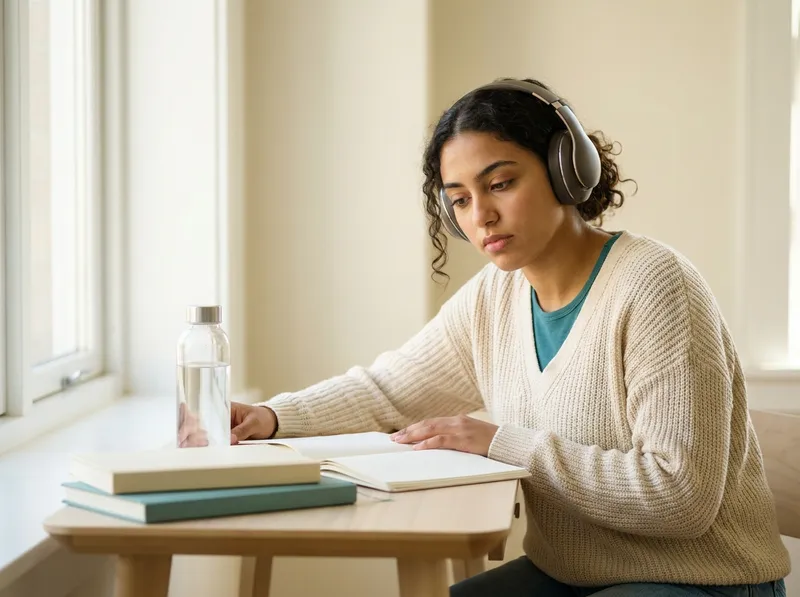
Between high school and university, the workload isn’t just “bigger”: it’s often more fragmented, more competitive, and more exposed to comparison. Tests, homework, projects, entrance exams, finals: it all piles up, and many students feel like they’re never truly “caught up.” This is ideal ground for three dynamics parents are seeing more and more often:performance anxiety,procrastinationanda drop in motivation.
A key point for parents is this: when stress becomes chronic, studying stops being a “cognitive” activity and becomes a difficult emotional experience. A teen may start with good intentions, but one page that won’t stick, a grade below expectations, or a looming deadline is enough to trigger a vicious cycle: tension → avoidance → guilt → more tension.managing study anxietyis therefore not an “extra”: it’s a skill that protects learning.
Intervening early makes a difference because it helps prevent two risks: (1) that your child associates studying with an experience of threat and failure, and (2) that an ineffective routine of last-minute “marathons” becomes entrenched. Timely support—even light, but consistent—can bring studying back into a manageable zone: clear goals, adequate breaks, strategies, and a more stable emotional climate.
Real-time AI emotional tutoring: what it is and how it recognizes emotions during studying
By “AI emotional tutoring” we mean digital support that, while the student is working, tries to pick up signals of emotional difficulty and offer small, immediate interventions. It’s not psychotherapy and it’s not a diagnosis: it’s practical help to get the student back into a position to keep studying with less tension and more clarity.
Concretely, a system like this can recognize typical patterns of frustration or fatigue through indicators such as: idle time, repeated mistakes, frequent requests for clarification, sudden changes in pace, language used in messages (“I can’t do this,” “I don’t understand anything”), or self-reported signals (“I feel agitated”). The central element is timeliness: intervening when the emotion is rising, not when the student has already given up.
The interventions are “micro” by design: brief suggestions that don’t interrupt studying too much but make it sustainable. For example: a guided 90-second break, a breathing exercise, a reframing of the task (“let’s do just 10 minutes on this paragraph”), or a strategy to unblock understanding (examples, guiding questions, checking prerequisites). The goal is to train self-regulation skills: recognize the emotion, lower its intensity, and return to the task.
It’s also important to clarify the limits: AI emotional tutoring does not replace parents, teachers, tutors, or mental health professionals. It can, however, become a “study companion” that reduces daily friction and helps the student not feel alone in difficult moments, especially when studying independently.
StudierAI: how it can help your child manage anxiety and motivation while studying
In the landscape of digital tools,StudierAIwas created with a simple idea: improving studying doesn’t just mean “explaining better,” but also supporting the student when emotions get in the way of learning. By integrating attention toartificial intelligence and emotionsand organization, it can help make sessions more regular and less burdensome.
During studying, the AI emotional tutoring approach can support your child at three critical moments:
- At the start: define a small, realistic goal (e.g., 20 minutes on a chapter, then a check). This reduces the feeling of an “impossible mountain.”
- During: recognize signs of frustration or anxiety and propose micro-breaks, regulation techniques, and unblocking strategies (examples, guiding questions, targeted review of prerequisites).
- At the end: close with a recap and a clear next step. The feeling of progress is one of the best antidotes to a drop in motivation.
For parents, a relevant aspect issupport for parents of students: knowing there is a structure that encourages routine and well-being can reduce daily conflicts (“Study!”) and turn them into collaboration (“How can we make this session more sustainable?”). If you want to explore the tool, you canstart for freeand learn more about the approach by reading theabout uspage.
A practical tip: present the tool as an ally, not as a form of control. The goal isn’t to “monitor” your child, but to help them build autonomy. If you prefer to start slowly, you can alsosign up for freeand try it together for a week, observing what changes in the emotional tone of the sessions.
What parents can do: signs to watch for, helpful conversations, and sustainable routines
Technology helps, but the decisive factor remains the environment. Parents can do a lot with small, consistent gestures. The first step is recognizing the signs, without waiting for a “breakdown.” Some common indicators (especially if they persist for weeks) are: irritability before studying, psychosomatic symptoms (stomachaches, headaches), systematic avoidance, repeated late-night studying, a sudden drop in results, and absolute statements (“I’m incapable,” “there’s no point”).
When you start a conversation, focus on short, non-judgmental questions. The goal is to bring out the emotional experience, not to “fix” it right away. Useful examples:
- “When do you get stuck the most: starting, understanding, or reviewing?”
- “From 1 to 10, how much anxiety do you feel before a test? What makes it rise the most?”
- “What would help you today: reducing the load, changing your method, or taking a real break?”
Then move on to practical agreements. A sustainable routine isn’t rigid; it’s predictable. Try agreeing on: a realistic start time, short blocks (25–40 minutes), planned breaks, and a small closing ritual (what I did, what’s left, when I’ll pick it back up). This reduces daily negotiation and lowers tension at home.
Finally, integrate digital tools with a clear message: “I’m helping you build autonomy, not prove something.” If you use support like AI emotional tutoring, decide together when to activate it (for example, during the most anxiety-provoking subjects) and when, instead, a human conversation is better. If anxiety is intense, persistent, or interferes with sleep, eating, and social life, consider consulting professionals: asking for help is an act of care, not a failure.
When studying and well-being move in the same direction, results come with less effort and more consistency. Tools likeStudierAIcan be a useful piece, but the most important piece remains the relationship: presence, listening, and realistic routines. That’s where the trust is built that allows your child to face studying with greater calm—today and in the years to come.
