
In 2026, studying doesn’t just mean “understanding” a topic: it also means managing energy, emotions, and expectations. Whenstudy motivationdrops, it’s often not a matter of intelligence, but of mental load, anxiety, tiredness, or frustration. This is whereemotional artificial intelligencecomes in: a technology that tries to recognize emotional signals and translate them into practical suggestions to study better and with more peace of mind. In this article we’ll see how it works, which emotional blocks most often affect high school and university students, and howStudierAI 2026can become an ally foracademic well-being, without creating dependency. If you want to explore the platform, you can visitStudierAIorstart for freeto see if it’s right for you.
self-efficacy
Define a minimum routine: 3–5 sessions a week, even short ones. Consistency beats intensity. AI is meant to reduce friction, not to fill every minute.emotional artificial intelligenceUse Pomodoro flexibly: 25/5 is fine, but on “heavy” days try 15/5 or 10/3. The goal is to start and keep a rhythm, not to suffer.
Prefer active review: quizzes, questions, explaining out loud, flashcards. If the AI only suggests summaries, ask it to turn them into questions and checks.high stressSet usage boundaries: for example, an emotional check-in twice a day and planning once a week. Avoid checking the app every time you feel anxious: first do 2 minutes of breathing or a micro-action.boredomDo a weekly review: what worked? what didn’t? which emotion keeps coming back? Here the AI can help you spot patterns, but the final decision is still yours.frustrationA good indicator of autonomy is this: if for a week you don’t use the app, can you still keep part of the routine? If the answer is “yes, even if I do a bit less,” then the AI is doing its job: enhancing, not replacing.how you memorizePrivacy, ethics, and limits: what to know before relying on digital emotional support
The emotions that block motivation: stress, performance anxiety, and procrastination

. Before using an emotional support tool, find out what is collected, why, and for how long. Always look for: clear policies, the ability to delete data, consent settings, and transparent language about limits and purposes.transparencyis also part of trust: knowing “how” and “for what” the AI makes decisions reduces anxiety and misunderstandings. If you’re interested in understanding the project’s approach, you can take a look at
- .
- Another topic:
- . A system can misread signals, especially if it relies on incomplete data or on models that don’t fit your context (e.g., exam periods, part-time work, neurodivergence). That’s why it’s important that AI remains a support and that you can correct it: “today I’m tired, but that’s okay,” “this strategy doesn’t work for me.”
Finally, the limits: a digital assistant is not a psychologist and cannot handle situations of intense distress. If you notice persistent signs such as prolonged insomnia, panic attacks, intrusive thoughts, or a marked drop in mood, it’s appropriate to talk to human figures: teachers, tutors, university counseling services, or mental health professionals. Technology can facilitate the first step (organization, routine, reducing the load), but care requires relationship and clinical expertise.student emotional supportIf used consciously, emotional artificial intelligence can become an accelerator of good habits: less procrastination, more clarity, more continuity. And above all, more stable study motivation, because it’s built on small progress, not on pressure spikes.
StudierAI 2026: how it can help with motivational and emotional support

From a 2026 perspective, an assistant likeStudierAI 2026can become a “light coach” that helps you stay on track when motivation fluctuates. The idea isn’t to push you to study more at all costs, but to help you studybetterand more consistently, reducing emotional friction and repetitive decisions (“where do I start?”, “how much do I do today?”).
Here are some concrete ways it can offerstudent emotional supportand motivational support:
- Quick emotional check-ins: a simple question (“How do you feel?”) and a guided choice can help you name your emotional state. Naming the emotion often reduces chaos and increases the sense of control.
- Micro-goals and next action: instead of “study the whole chapter,” it suggests 5–15 minute steps (e.g., 10 flashcards, 3 review questions, 1 outline). This lowers the starting threshold and improves study motivation.
- Smart breaks: if it notices a drop in performance or sessions that are too long, it suggests a short break (water, breathing, a walk) and a gradual return. It’s not “wasting time”: it’s protecting attention and memory.
- Personalized study techniques: based on goals and difficulties, it can suggest active recall, short-answer questions, explaining “as if you were teaching,” concept maps, or graded exercises.
- Context-based motivational messages: not generic phrases, but feedback tied to what you’re doing (“You completed 2 micro-goals despite being tired: a great sign of consistency”).
If you want to try it in a practical way, you cansign up for freeand set a first weekly goal: the important thing is to start small and measurable, so the AI works alongside you without replacing you.
Practical strategies to use emotional AI without dependency: routine, goals, and autonomy
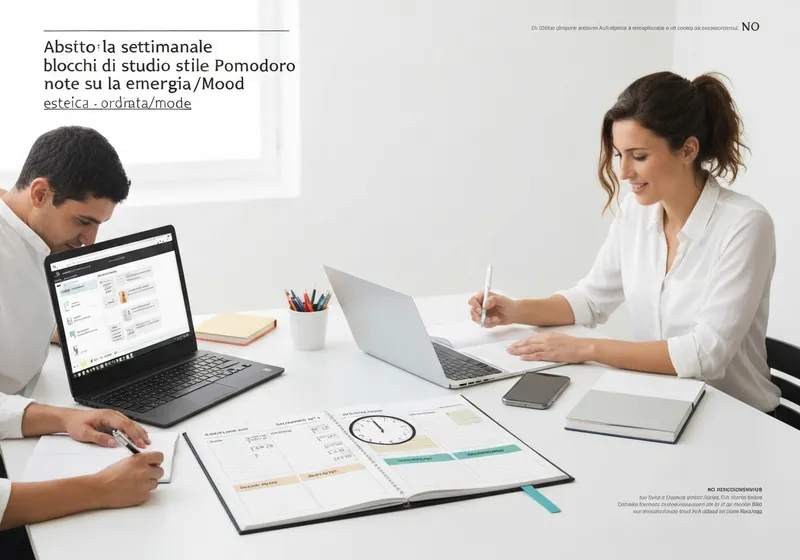
A real risk of digital tools is delegating too much: “you tell me what to do,” “you tell me how I feel.” To avoid dependency and increaseself-efficacy, use AI as a temporary crutch, not as an autopilot. These strategies help you stay in control and build intrinsic motivation.
- Define a minimum routine: 3–5 sessions a week, even short ones. Consistency beats intensity. AI is meant to reduce friction, not to fill every minute.
- Use Pomodoro flexibly: 25/5 is fine, but on “heavy” days try 15/5 or 10/3. The goal is to start and keep a rhythm, not to suffer.
- Prefer active review: quizzes, questions, explaining out loud, flashcards. If the AI only suggests summaries, ask it to turn them into questions and checks.
- Set usage boundaries: for example, an emotional check-in twice a day and planning once a week. Avoid checking the app every time you feel anxious: first do 2 minutes of breathing or a micro-action.
- Do a weekly review: what worked? what didn’t? which emotion keeps coming back? Here the AI can help you spot patterns, but the final decision is still yours.
A good indicator of autonomy is this: if for a week you don’t use the app, can you still keep part of the routine? If the answer is “yes, even if I do a bit less,” then the AI is doing its job: enhancing, not replacing.
Privacy, ethics, and limits: what to know before relying on digital emotional support

When it comes to emotions, a delicate issue comes into play:sensitive data. Before using an emotional support tool, find out what is collected, why, and for how long. Always look for: clear policies, the ability to delete data, consent settings, and transparent language about limits and purposes.transparencyis also part of trust: knowing “how” and “for what” the AI makes decisions reduces anxiety and misunderstandings. If you’re interested in understanding the project’s approach, you can take a look atwho we are.
Another topic:bias. A system can misread signals, especially if it relies on incomplete data or on models that don’t fit your context (e.g., exam periods, part-time work, neurodivergence). That’s why it’s important that AI remains a support and that you can correct it: “today I’m tired, but that’s okay,” “this strategy doesn’t work for me.”
Finally, the limits: a digital assistant is not a psychologist and cannot handle situations of intense distress. If you notice persistent signs such as prolonged insomnia, panic attacks, intrusive thoughts, or a marked drop in mood, it’s appropriate to talk to human figures: teachers, tutors, university counseling services, or mental health professionals. Technology can facilitate the first step (organization, routine, reducing the load), but care requires relationship and clinical expertise.
If used consciously, emotional artificial intelligence can become an accelerator of good habits: less procrastination, more clarity, more continuity. And above all, more stable study motivation, because it’s built on small progress, not on pressure spikes.