
Studying today means managing lots of information, little time, and often too much performance anxiety. Artificial Intelligence can become a real ally: it doesn’t “study for you,” but it helps you understand better, review more effectively, and build a sustainable study method. In this article you’ll find the best AI study techniques to apply right away, with practical examples and solid rules for studying with artificial intelligence without losing autonomy.
Why use AI in studying (and what it can really do)
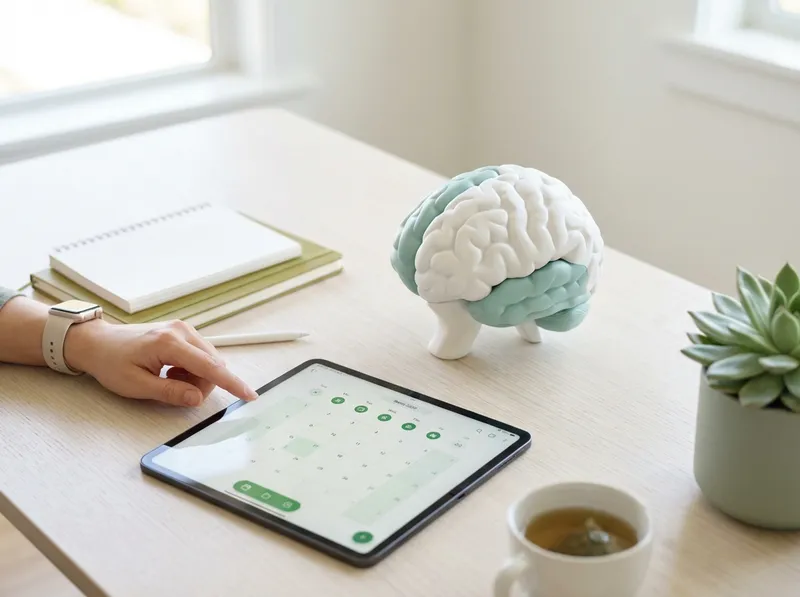
AI is useful when you treat it like atutorand not like a shortcut. It can support you in three key areas:understanding(alternative explanations, examples, analogies),organization(plans, priorities, time estimates) andreview(quizzes, flashcards, targeted questions). The main advantage is personalization: you can ask for explanations “as if I were in high school,” or “exam-level” exercises, tailored to your course.
That said, it’s important to know the limits. AI models can make mistakes, oversimplify, or “make up” details if the prompt is vague. Best practices for an effective AI-based study method are simple: always verify with your textbook/handouts, ask for sources or references when possible, and use AI to produce study materials that you then rework in your own words. In other words: AI speeds things up, but you build the understanding.
AI study techniques to understand better: explanations, examples, and concept maps

When a topic just won’t sink in, often it’s not “hard”: it’s explained in a way that doesn’t fit your learning style. One of the most powerful AI study techniques is asking formultiple explanations: a short definition, a longer explanation, a practical example, and an analogy. For example: “Explain photosynthesis in 5 lines, then with an everyday example, then with a tricky exam-style question.”
Another technique isprogressive simplification: ask first for a simple explanation, then raise the level. This helps you build a solid foundation and avoid memorizing sentences without understanding them. You can also have the AI “dialogue” with you: “Ask me 5 questions to check if I’ve really understood this paragraph; if I get it wrong, explain the critical point again.”
Finally, to organize your understanding, use AI to createoutlines and concept maps. Start from your notes (even rough ones) and ask: “Turn these points into a map with main nodes and sub-nodes; highlight definitions, cause-and-effect, and comparisons.” Then reread and correct: the best map is the one that reflects how you connect ideas.
- Putting all these techniques together coherently is easier with a tool designed for studying.
- can support you in the most useful activities: creating clear summaries from your materials, generating quizzes and flashcards based on the topics, and helping you build a realistic study plan with scheduled reviews. In practice, it becomes a single hub for studying with artificial intelligence without wasting time “jumping” between different tools.
- How to integrate it into your daily routine (without complicating your life): 1) upload or paste your lecture notes, 2) generate a structured summary and a map of key concepts, 3) create a set of flashcards and a short quiz, 4) schedule reviews over the following days. If you want to try it, you can
and then evaluate the most suitable option by checking
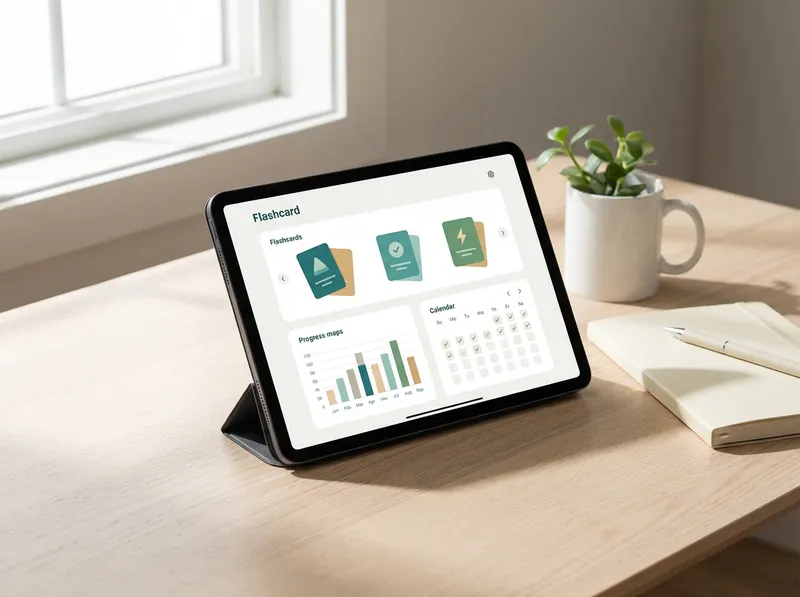
Understanding is essential, but without targeted review, memory drops quickly. Here AI is perfect for creatingThe point isn’t to use AI “more,” but to use itbetter
sign up for freeand build a routine that gets you to the exam with more confidence and less improvisation.: you review the same content at increasing intervals (e.g., 1 day, 3 days, 7 days, 14 days). AI can help you decide what to review based on difficulty and mistakes: after a quiz, ask “Which 5 topics should I review tomorrow? And which ones can I postpone?”
A simple trick: have AI create a 15-minute mini-exam at the end of every session. Grade it, note your mistakes, and turn them into flashcards. This cycle (study → test → correction → review) makes your study method more scientific and less based on feelings.
Planning and study method with AI: goals, time, and focus
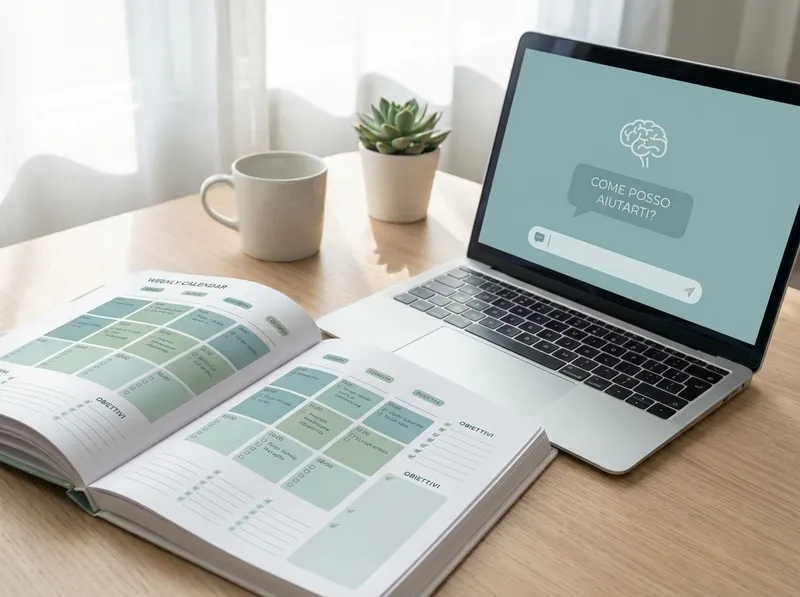
Many students don’t fail for lack of effort, but for lack of aplan. AI can turn a vague goal (“I have to study law”) into a concrete plan: chapters, exercises, reviews, simulations. Start from real constraints: exam date, available hours, other commitments, current level. Then ask: “Build a weekly plan with 50-minute blocks + 10-minute breaks, including reviews with spaced repetition and 2 exam simulations.”
A very useful feature istask breakdown: “Study chapter 4” becomes “read 10 pages, extract definitions, do 8 questions, create 12 flashcards, review tomorrow.” This reduces procrastination because each step is small and measurable. Ask for estimates too: “How much time does it usually take for these tasks? Give me a conservative version and an optimistic one.”
For focus, use AI as a “coach”: set an anti-distraction rule (phone far away, only one tab open, clear goal) and ask for a check-in: “At the end of the session ask me 3 questions: what I did, what distracted me, what I’ll improve tomorrow.” A good study method is made of iterations: small continuous adjustments, not immediate perfection.
StudierAI: how it can help you study better with artificial intelligence

Putting all these techniques together coherently is easier with a tool designed for studying.StudierAIcan support you in the most useful activities: creating clear summaries from your materials, generating quizzes and flashcards based on the topics, and helping you build a realistic study plan with scheduled reviews. In practice, it becomes a single hub for studying with artificial intelligence without wasting time “jumping” between different tools.
How to integrate it into your daily routine (without complicating your life): 1) upload or paste your lecture notes, 2) generate a structured summary and a map of key concepts, 3) create a set of flashcards and a short quiz, 4) schedule reviews over the following days. If you want to try it, you canstart for freeand then evaluate the most suitable option by checkingplans and pricing.
The point isn’t to use AI “more,” but to use itbetter: to understand, test yourself, and get organized. If you apply these AI study techniques consistently, your study method becomes more efficient and less stressful. When you’re ready,sign up for freeand build a routine that gets you to the exam with more confidence and less improvisation.