
Studying today means managing an enormous amount of information, deadlines, and distractions. Artificial Intelligence can become a concrete ally: it doesn’t replace studying, but it makes it more targeted. In this article you’ll find the bestA simple way to integrate it into your method: upload or paste the content, generate review activities (flashcards, quizzes, open-ended questions), and train with active recall. Then use the feedback to understand what to review and when. If you want to try it without complications, you canstart for freeand immediately set up a more consistent study routine.more effective and sustainable.
plans and pricing

Mistakes to avoid and best practices: using AI ethically and truly effectivelystudying with artificial intelligence, the real change isn’t “studying in your place,” butAI works if you stay at the center. The three most common mistakes are:copying
passive(reading ready-made answers) and trustingincorrect
AI study techniques to understand and remember: summaries, maps, and smart flashcards

Customize: specify level, goal, type of assessment (oral/written), and ask for questions “the way the professor asks them.” The more context you give, the more useful the output is.AI study techniquesStay active: after a summary, ask 3 of your own questions; after an explanation, rewrite it in your own words; after a quiz, note the mistake and why.
Use AI ethically: no “turnkey” submissions if the rules forbid it. If you use it for support, disclose it when required and make sure you can do everything again on your own.ultra-shortIn short: AI is an accelerator, but you choose the direction. If you use it to generate questions, check understanding, plan reviews, and stay consistent, it becomes a real advantage. If instead you use it to avoid effort, the bill comes due at the oral exam. To get started with a practical, guided approach, you can alsosign up for freeand build your study system step by step.in-depth(with examples). Then compare the summary with the text: highlight what’s missing and correct it. This checking step is already active study.
2) Guided concept maps. AI can suggest nodes and connections (cause–effect, definitions, comparisons). The trick is to make them yours: add the professor’s examples, exceptions, and questions to the nodes (“Why does it happen?”, “When doesn’t it apply?”). A good map isn’t decorative: it’s areasoning networkthat helps you explain out loud.
3) Smart flashcards for active recall. Ask AI to create flashcards with non-trivial questions: not only definitions, but also “apply,” “compare,” “explain why.” Then use two fundamental principles:
- Active recall: answer without looking, even if you get it wrong. That’s how the brain consolidates.
- Spaced repetition: review at intervals (today, in 2 days, in 1 week…). AI can help you plan these intervals based on mistakes.
4) Mock oral exam. Have it give you a mini oral exam: 5 easy questions, 5 medium, 5 hard. After each answer, ask for feedback: what’s missing, which concept you’re confusing, which example would be perfect. This is one of the most powerful applications ofstudying with artificial intelligencebecause it trains you exactly the way you’ll be assessed.
Planning and study method with AI: goals, routine, and time management
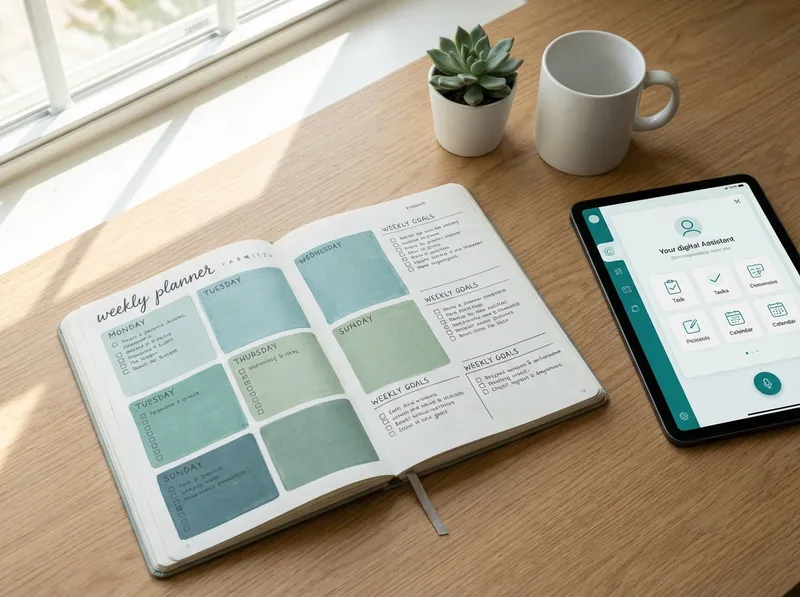
A goodstudy methodisn’t just “how much” you study, but “how” you distribute energy and time. AI can help you build a realistic plan, especially when you have multiple subjects and tight deadlines.
Start from goals: instead of “study chapter 3,” define a verifiable outcome: “be able to explain the 5 key concepts and solve 10 typical exercises.” Then ask AI to break the goal down into micro-activities: guided reading, summary, flashcards, exercises, review. This reduces procrastination because it makes the first step clear.
Another practical use is time estimation: ask for a “conservative” forecast and an “optimistic” one, then choose the conservative one and add buffers. Finally, create a routine: 25–50 minute blocks, a short break, and a 5-minute review at the end of the session to note what you understood and what you didn’t. AI can also suggest when to do short reviews to keep memory active without starting from scratch every time.
StudierAI: how it can help you study better with Artificial Intelligence
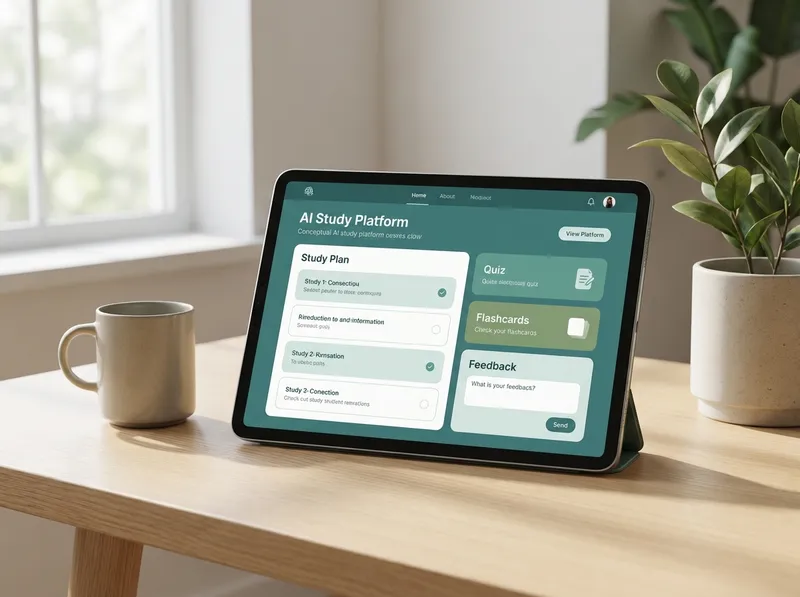
If you want more structured support,StudierAIis designed to bring these techniques into everyday practice: organizing materials, targeted exercises, review, and feedback. The idea is to turn studying into a guided path, where each session produces outputs (questions, outlines, checks) instead of remaining passive reading.
A simple way to integrate it into your method: upload or paste the content, generate review activities (flashcards, quizzes, open-ended questions), and train with active recall. Then use the feedback to understand what to review and when. If you want to try it without complications, you canstart for freeand immediately set up a more consistent study routine.
Once you’re comfortable, evaluate the features you really need (more subjects, more exercises, more tracking) by consultingplans and pricing. The goal isn’t “having the best app,” but creating a system that makes you study regularly and helps you arrive more confident for assessments.
Mistakes to avoid and best practices: using AI ethically and truly effectively
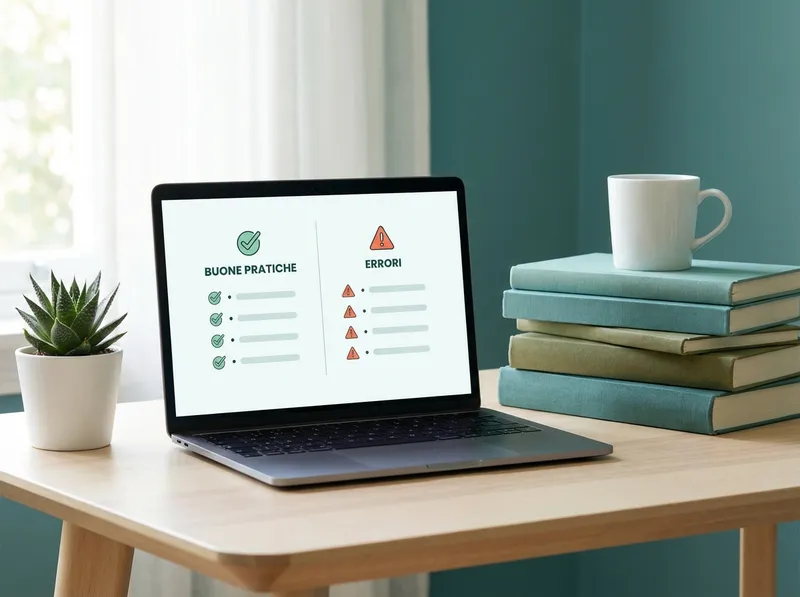
AI works if you stay at the center. The three most common mistakes are:copyingwithout understanding, becomingpassive(reading ready-made answers) and trustingincorrect. To avoid them, use simple, repeatable operating rules.
- Always verify: compare with the book, the instructor’s slides, and reliable sources. If a point is important, also ask for references or checkable examples.
- Customize: specify level, goal, type of assessment (oral/written), and ask for questions “the way the professor asks them.” The more context you give, the more useful the output is.
- Stay active: after a summary, ask 3 of your own questions; after an explanation, rewrite it in your own words; after a quiz, note the mistake and why.
- Use AI ethically: no “turnkey” submissions if the rules forbid it. If you use it for support, disclose it when required and make sure you can do everything again on your own.
In short: AI is an accelerator, but you choose the direction. If you use it to generate questions, check understanding, plan reviews, and stay consistent, it becomes a real advantage. If instead you use it to avoid effort, the bill comes due at the oral exam. To get started with a practical, guided approach, you can alsosign up for freeand build your study system step by step.