

In the 2026/2027 pathways, time is the scarcest resource. Here AI can become an ally if used as a “gym” and as design support. WithStudierAIyou can train relational skills in a safe and repeatable way, without waiting for conflict to actually explode in the classroom.AI relational intelligenceThree particularly useful uses for
and to prepare for the modules on respect and emotions:
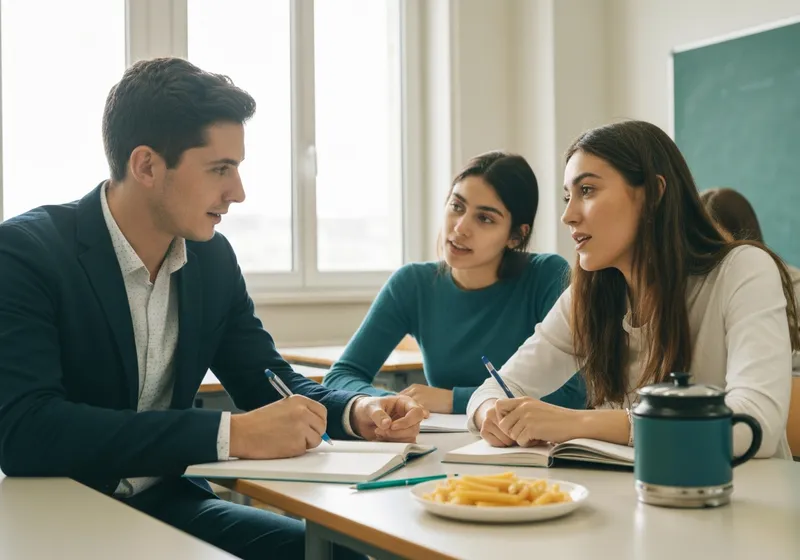
Simulations of difficult dialogues: rehearse responses to provocations, requests for clarification, grade disputes, conflicts between students. You can ask for variants (oppositional, anxious, ironic student) and practice language that is firm but respectful.INDIRE teachers 2026Emotional quizzes and cases: build short scenarios to recognize emotions, needs, and possible interventions (de-escalation, repair, boundaries). Also useful for working with the class in 10 minutes at the start of the lesson.training loadTeaching planner and ready-made materials: design micro-activities integrated into the subject (guiding questions, rubrics, role-play prompts, discussion outlines) and adapt them to the class level.teaching practicesIf you want to experiment with no commitment, you canstart for freeand immediately create a simulation based on a real case (for example: “two students accuse each other after an offensive comment in a chat”). In a few minutes you get possible responses, linguistic alternatives, and a sequence of steps to bring the group back to work.
The goal is not to delegate the relationship to a machine, but to use AI as support to prepare, reflect, and design. If you’re interested in understanding the project’s approach and values, you can find more information on theabout uspage.
Key skills: relational intelligence, empathy, and conflict management in the classroom
When we talk aboutemotions education schoolwe are not referring to “doing psychology” in the classroom, but to equipping ourselves with communication and group facilitation skills. The teacher’srelational intelligenceshows in the ability to read the climate, prevent escalation, and turn a conflict into an opportunity for learning (not humiliation).
The most in-demand skills in pathways on respect and coexistence, useful both in secondary school and in university courses with labs and internships, include:
- Active listening: paraphrasing, asking for clarification, distinguishing facts from interpretations.
- Nonviolent communication: describing observable behaviors, expressing needs, making specific requests.
- Emotional regulation: recognizing signs of stress (your own and students’) and using pauses, routines, and clear boundaries.
- Mediation and repair: guiding agreements, responsibility, and concrete steps after an incident (without public “trials”).
Typical examples: a student who interrupts and provokes to get attention; a group that systematically excludes a classmate; a heated discussion on sensitive topics (identity, war, discrimination) that slips into personal attacks; at university, conflicts in group work and labs. In all these cases, what makes the difference is the teacher’s ability to maintainfirmness and care: clear rules, but non-humiliating language; consistent consequences, but space to repair.
How to integrate emotions education and a culture of respect into everyday teaching
The most frequent question is: “Where do I fit it in, if I don’t have hours?” The answer lies in integration: small routines and micro-activities anchored to the subjects. That way the culture of respect becomes a way of working, not a separate module. Some sustainable strategies:
- Opening routine (2 minutes): “emotional weather” with 3 options (clear/cloudy/thunderstorm) and a voluntary sentence about what you need to work well.
- Micro group contracts: before cooperative work, 3 observable rules (speaking turns, roles, how to ask for help).
- Light rubrics: also assess processes (collaboration, respect for turns, quality of feedback) with simple indicators, used for self-assessment.
- Guided discussions: in history, literature, or law, use questions that separate facts, values, and impacts (“Who is harmed?”, “What respectful alternative?”).
- Short role-plays (5 minutes): simulate an apology request, a boundary negotiation, a response to a provocation without escalation.
To make all this doable, it helps to think in terms offormative assessment: not “passing or failing” empathy, but giving feedback on observable behaviors. For example: “You interrupted three times: let’s try again with taking turns” or “You expressed disagreement without attacking the person: that’s a behavior that helps the group.” This approach also reduces tensions in communications with families, because it shifts the focus from labels (“he’s rude”) to evidence (“today he used these words, at that moment”).
AI for teachers: how StudierAI supports empathic simulations, emotional quizzes, and a teaching planner
In the 2026/2027 pathways, time is the scarcest resource. Here AI can become an ally if used as a “gym” and as design support. WithStudierAIyou can train relational skills in a safe and repeatable way, without waiting for conflict to actually explode in the classroom.
Three particularly useful uses forAI conflict managementand to prepare for the modules on respect and emotions:
- Simulations of difficult dialogues: rehearse responses to provocations, requests for clarification, grade disputes, conflicts between students. You can ask for variants (oppositional, anxious, ironic student) and practice language that is firm but respectful.
- Emotional quizzes and cases: build short scenarios to recognize emotions, needs, and possible interventions (de-escalation, repair, boundaries). Also useful for working with the class in 10 minutes at the start of the lesson.
- Teaching planner and ready-made materials: design micro-activities integrated into the subject (guiding questions, rubrics, role-play prompts, discussion outlines) and adapt them to the class level.
If you want to experiment with no commitment, you canstart for freeand immediately create a simulation based on a real case (for example: “two students accuse each other after an offensive comment in a chat”). In a few minutes you get possible responses, linguistic alternatives, and a sequence of steps to bring the group back to work.
The goal is not to delegate the relationship to a machine, but to use AI as support to prepare, reflect, and design. If you’re interested in understanding the project’s approach and values, you can find more information on theabout uspage.
Preparing for 2026/2027 training means arriving with tools already tested: a shared vocabulary, sustainable routines, and a “toolbox” for high emotional-intensity situations. In this way the culture of respect doesn’t remain an abstract goal, but becomes a daily practice that improves classroom climate, learning, and professional well-being.
